Wood Smoke
Learn more about wood smoke pollution and how to protect yourself and your loved ones
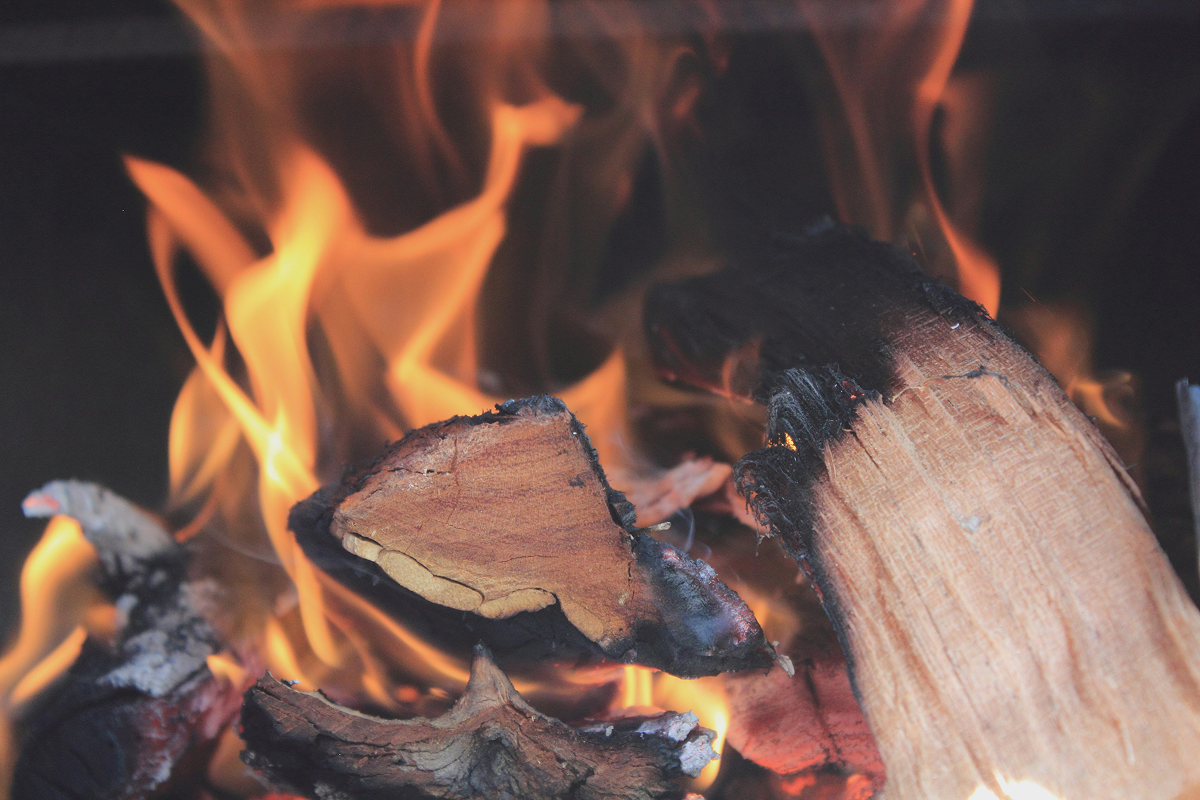
Where wood smoke comes from
Poorly operated and inefficient wood heaters can be a major source of air pollution, especially PM2.5.
How wood smoke impacts your health
When wood is burnt completely it produces carbon dioxide and water vapour which are emitted to air and an ash residue. However when wood is not burnt completely it produces smoke which is made up of a number of chemical components, including fine particles and associated gases such as nitrogen oxides, carbon monoxide, volatile organic compounds (VOCs) and polycyclic aromatic hydrocarbons (PAHs), that are harmful to human health.
Some components, such as particles and formaldehyde, are known to be carcinogenic and chronic exposure is known to cause heart and lung disease and certain cancers. Other components of wood smoke such as various acids cause irritation and scarring of the respiratory system and particularly impact the health of people with existing conditions such as asthma.
In addition to the health impacts of fine particles, smoke from solid fuel heaters can also be a significant nuisance problem for neighbours if heaters are poorly operated, as emissions are highly odorous and irritating.
How we monitor wood smoke in 5049
CAir5049 uses Purple Air monitors which continuously monitor particulate matter levels.
Loading…
How wood smoke is regulated
The Environment Protection (Air Quality) Policy 2016 (Air Quality Policy) regulates wood smoke
How to reduce wood smoke
Burn only dry, seasoned wood. Keep the fire live and bright, and never pack it down to smoulder overnight. Make sure there are no visible plumes of smoke coming out of your chimney. Regularly clean your chimney and make sure your heater is in good order.
Where to report wood smoke
Please report excessive wood smoke to the City of Marion's Customer Service Centre on (08) 8375 6600
Read more
- Burn better for good, EPA South Australia
- Smoke from domestic heating, EPA South Australia
- Borchers Arriagada, Nicolas; Palmer, Andrew; Bowman, David; Williamson, Grant; Johnston, Fay (2020). Health impacts of ambient biomass smoke in Tasmania, Australia. University of Tasmania.