Jordan
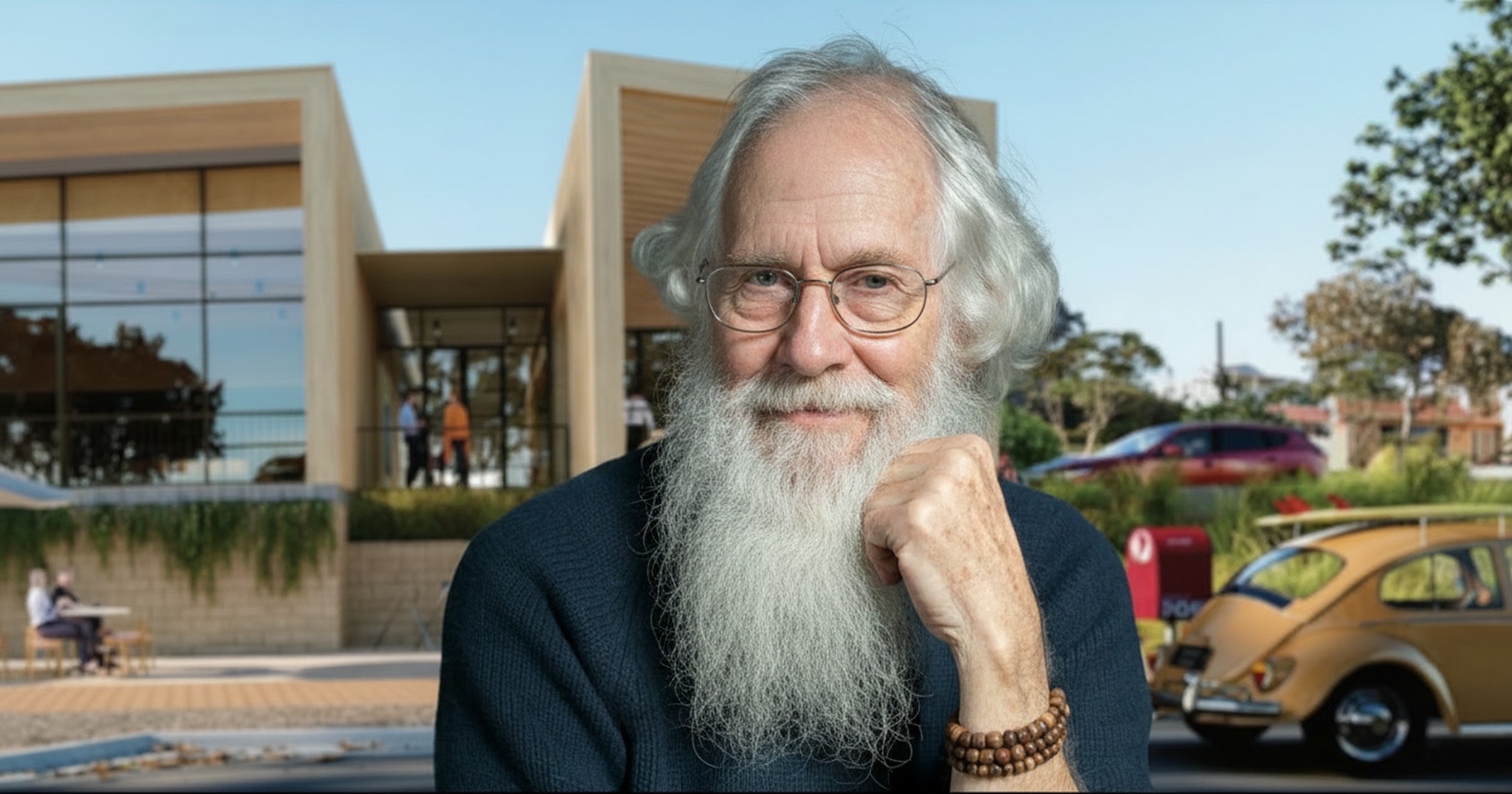
We all have different experiences with wood fire heaters and the smoke they generate. This is my story.
Living the dream.
After living in our previous house in the foothills for 30 years my wife and I thought it was time for a sea change. We decided on Marino for many reasons but high on the list was close to the sea and the clean, fresh air that comes with a seaside location. We built our forever home and were living the dream.
Reality hits.
And then May arrived along with the smoke from a neighbour’s fire. The dream changed quickly. No longer could we breathe the clean fresh air of Marino. No longer can we enjoy an evening sitting on the balcony. Close all windows and doors and put the draft snake on the front door by 16:00. If washing was on the line when the smoke started it meant washing the clothes again. Hence clothes out no earlier than 10:00 am and bring them into the house even if still wet by 16:00. Stay in the house.
It never really worked though. Doors get opened, dogs go out and the woodsmoke comes in, clothes get rewashed.
We’re not alone.
We thought are we the only ones with this problem? It soon became obvious that wasn’t the case. Anyone with a neighbouring wood fire heater has the same experience. So why is nothing being done? The answers came back.
I don’t want to upset the neighbour. I can put up with it. It’s only woodsmoke! Surely it’s not harmful. I complained to the neighbour and to council but didn’t get anywhere. I give up.
Woodsmoke is toxic.
We thought that if this is going to be our lot then we should know a bit more about woodsmoke. And that is where it gets really scary.
The Menzies Institute for Medical Research calculated that each year, woodsmoke in Tasmania causes an estimated 51 deaths, 64 hospital admissions, and 11 asthma emergency department visits, costing $293 million per year in health care.
Frustration. No government pathway for change.
One of the main aims of councils and government is to provide a safe and healthy environment for their residents. Practices that support health and safety should be encouraged and unhealthy practices discouraged.
To do so, governments and councils use/should use incentives to remove or replace practices seen as harmful and unhealthy and disincentives for unhealthy and harmful practices that remain. Examples of these incentives and disincentives can be seen in initiatives to reduce our dependence on fossil fuels and our dependence on cigarettes and gambling. Although not as fast as many of us would like, at least for these initiatives governments and councils are involved in pathways for change.
Wood fire heating is the dirtiest and most harmful way of heating houses in Australia. It is harmful to the health of wood fire owners, neighbours and to the environment. It is also the most expensive way to heat a house. Councillors and politicians are aware of this but there are still no government initiatives to provide a pathway for change in Australia
Hopefully through CAir5049, a community based initiative, we can make sure that our voices are heard, and our pleas are answered. I want to believe that together, we can keep our air clean.
We are collecting and sharing stories of 5049 residents who struggle with air pollution every day. Share yours anonymously.
Tell your story